


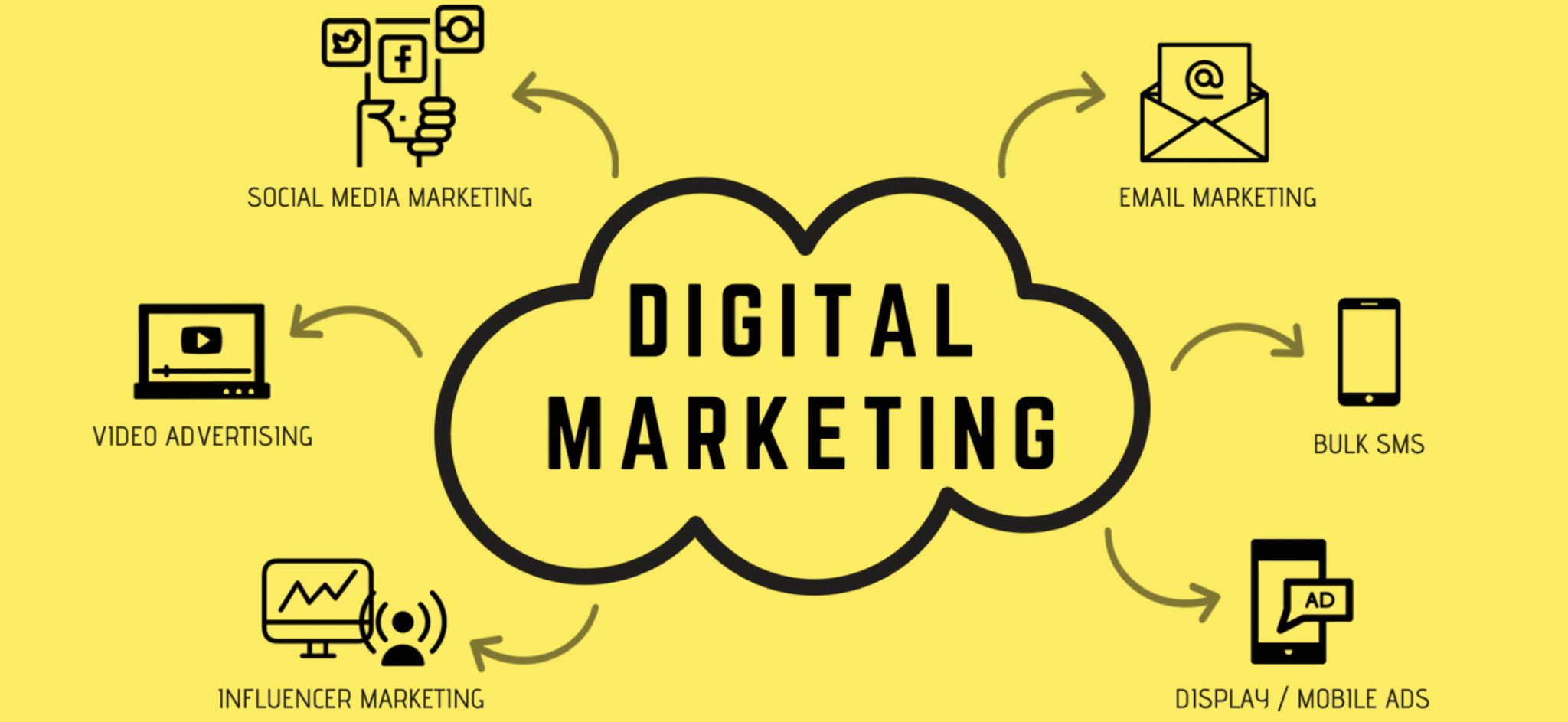
Why Digital Marketing ??
The Digital Revolution: Revolutionising the Field of Marketing
- Data-Driven Marketing: With the introduction of digital media, companies now have access to a never-before-seen volume of customer data. This covers their shopping habits, tastes, and behaviour online. By using this information, marketers may develop ads that are more individualised and targeted, which can greatly increase conversion rates.
- Social Media Marketing: New opportunities have emerged for marketers as a result of the popularity of social media sites like Facebook, Instagram, and Twitter. These platforms give companies the chance to communicate more casually and interactively with their audience, foster brand loyalty, and advertise their goods and services.
- Content Marketing: The digital era has heightened the importance of content marketing. Businesses today develop a wide range of content, including blog posts, videos, infographics, and ebooks, to deliver value to their audience, build industry expertise, and attract new consumers.
Unlocking Business Success with Digital Marketing
The power of digital marketing is critical to unlocking corporate success in today’s digital age. It is a comprehensive approach that helps firms engage their target audience, increase awareness, and generate growth.
Search engine optimisation (SEO) improves online visibility, email marketing maintains consumer contacts, and social media marketing allows for direct audience involvement. material marketing focuses on creating useful material in order to maintain a certain audience and promote lucrative activities.
Furthermore, with the increase in mobile use, companies optimise their tactics for mobile consumers through mobile marketing. Thus, by properly using digital marketing, firms may contact their clients online, resulting in significant success in the modern digital world.
Comparing the Cost-Effectiveness of Digital and Traditional Marketing Dilemma

The primary difference between digital and conventional marketing is cost-effectiveness. Traditional marketing strategies like TV advertisements, billboards, and print ads have a large reach but are frequently expensive, making them inaccessible to small firms or startups.
Digital marketing strategies, such as social media advertisements, email marketing, and SEO, are often less expensive. They provide focused marketing, allowing firms to contact certain demographics or customer groups, resulting in less wasteful spending. Digital marketing offers real-time measurements, allowing organisations to adjust their strategy depending on current performance data.
24/7 Involvement: The Skill of Economical Client Relations
Mastering Social Media: Establishing Your Brand in the Digital Era
The notion of “24/7 engagement” posits that digital technologies enable organisations to maintain constant communication with their clientele, hence promoting more customer contact and service. The conventional 9–5 workday has been significantly altered by this change, which has also changed the marketing environment.
This ongoing engagement's cost-effectiveness is one of its main benefits. Businesses may automate a lot of their client engagement using digital channels like social media, email, and chatbots, which lowers labour costs while ensuring prompt replies.
Additionally, by having these constant, two-way lines of contact, companies may get insightful client feedback, quickly resolve issues, and forge closer bonds with their clientele. Increased client loyalty, greater repeat business, and a better reputation for the company might result from this.
In the digital age, social media proficiency is essential for building and promoting your business. It includes using the potential of diverse social media channels to convey your brand’s principles, interact with the public, and advertise your goods and services.
Developing a recognisable and enticing brand image is essential to building your brand on social media. This entails employing the same visual style, message, and tone of voice across all channels. Social media gives you the means to successfully and broadly express the tale of your business. Your brand should tell a story.
Social media also enables two-way connection with your audience, which may promote loyalty and a feeling of community. You may gain important insights into the preferences and behaviour of your customers by talking to and listening to your followers.